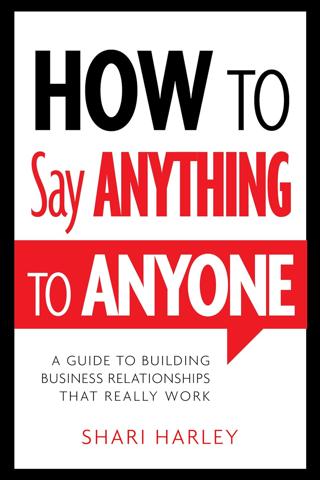
How to Say Anything to Anyone
A Guide to Building Business Relationships That Really Work
By: Shari Harley
Intro:
"How to Say Anything to Anyone: A Guide to Building Business Relationships That Really Work" by Shari Harley is an insightful guide designed to enhance communication skills in professional settings. Harley emphasizes the importance of honesty and directness to foster trust and efficiency in business relationships. The book offers practical strategies for having difficult conversations and providing feedback, all while maintaining respect and understanding. Through real-world examples and actionable advice, Harley equips readers with the tools needed to navigate complex interpersonal dynamics, ultimately leading to more productive and fulfilling work environments.
How to Say Anything to Anyone by Shari Harley is a practical guide to improving communication in both personal and professional settings. The book is structured to offer advice, tools, and actionable techniques to help readers engage in more open, honest, and productive conversations.
Chapter 1: The Case for Candid Conversations
In the first chapter, Shari Harley outlines the importance of candid conversations in building trust and fostering effective communication. She emphasizes that open dialogue is crucial for creating transparent relationships both at work and in personal life. The chapter introduces the concept of creating a “Feedback-Friendly” culture, where honest communication is welcomed and encouraged.
Chapter 2: Setting the Stage for Candid Conversations
Harley provides strategies to prepare for and establish an environment conducive to candid conversations. This includes understanding your communication style, setting clear expectations, and creating agreements that encourage open feedback. The chapter discusses building a strong foundation of trust and psychological safety, making it easier to have tough discussions.
Chapter 3: The Feedback Formula
The third chapter introduces a structured method for giving and receiving feedback effectively. The “Feedback Formula” is a tool designed to help individuals deliver feedback clearly and constructively, and this chapter provides steps and examples to apply the formula in real-life situations. Harley also addresses common fears associated with giving feedback and how to overcome them.
Chapter 4: Remember Your Silver Bullet Here, the author explores the concept of the “silver bullet,” which refers to the unique approach each person might have when it comes to communication. This chapter emphasizes tailoring your communication approach depending on various factors, including the person and the situation, to increase the effectiveness of conversations.
Chapter 5: Do You Want to Hear What You Have to Say?
In this chapter, Harley focuses on self-awareness and understanding your own communication preferences and triggers. She encourages readers to reflect on how their communication style might affect others and offers guidance on adapting their approach to suit different contexts and personalities.
Chapter 6: The Asking Formula
The book introduces the “Asking Formula,” which is designed to help individuals make clear, direct requests. This chapter is about articulating what you need or want from others in a way that is straightforward and that minimizes misunderstandings. The formula is presented with steps and examples to reinforce its application.
Chapter 7: Managing Your Emotions
Emotional management is the focus of the seventh chapter. Harley stresses the importance of staying calm and composed during potentially stressful or confrontational conversations. She offers strategies for recognizing and controlling emotional responses to maintain a constructive dialogue.
Chapter 8: Dealing with Difficult People
Harley provides insights and techniques for handling challenging personalities and minimizing conflict. This chapter includes tips on how to understand motivations, reduce defensiveness, and navigate conversations with difficult colleagues or relatives constructively.
Chapter 9: Creating a Culture of Candor
The final chapter emphasizes the long-term benefits of embedding candid communication within an organization or family. Harley discusses ways to champion transparency, encourage feedback, and foster a culture where open dialogue is the norm. She gives practical steps to maintain this culture over time.
In the conclusion, Harley ties together the insights and tools discussed throughout the book, urging readers to commit to consistent and honest communication practices. She reinforces the idea that saying anything to anyone is possible with the right approach and mindset. Overall, "How to Say Anything to Anyone" is a resourceful book that encourages readers to embrace open dialogue and provides the tools necessary to engage in successful conversations in any setting.