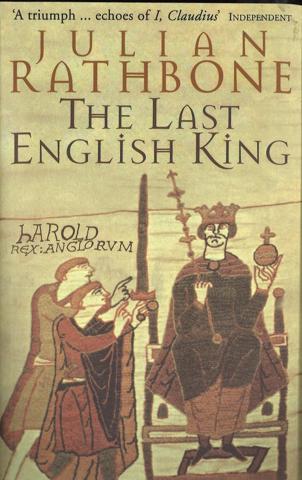
Critical Review of The Last English King
By: Julian Rathbone
"The Last English King" by Julian Rathbone is a historical novel that depicts the events surrounding the Battle of Hastings and the end of Anglo-Saxon England. Like many historical novels, it has faced a range of criticisms from both scholars and readers who are passionate about historical accuracy and literary style.
One point of criticism often leveled at historical novels like Rathbone's is the treatment of historical accuracy. Some historians and critics may argue that the novel takes liberties with historical facts for the sake of narrative drive or to add dramatic flair. While authors of historical fiction are not bound to adhere strictly to historical accounts, discrepancies can sometimes unsettle readers who prefer a more accurate depiction of historical events. Critics might point out areas where Rathbone's descriptions or characterizations conflict with established historical scholarship or embellish details without clear historical evidence.
Another criticism could be related to the character development within the novel. In historical fiction, authors have the challenge of creating engaging and relatable characters while remaining faithful to the historical personas they are based on. Some readers and critics might feel that Rathbone's characterization lacks depth or falls into stereotypes sometimes seen in historical narratives, potentially making the characters less compelling or believable.
The narrative structure and stylistic choices made by Rathbone can also attract criticism. For instance, the way the story is paced or how the author interweaves historical facts with the fictional narrative might not resonate with all readers. Some may find that the novel's blending of history with fiction detracts from the story's overall coherence, making it difficult for the reader to distinguish between historical reality and imaginative interpretation. Style-wise, Rathbone's prose might be critiqued if it's seen as overly verbose or lacking in the lyrical qualities some readers look for in a historical epic.
In conclusion, "The Last English King" faces typical criticisms that many works of historical fiction encounter, balancing the tension between historical fidelity and narrative creativity. These criticisms highlight the challenges authors face in pleasing both the academically inclined audience and readers seeking a compelling story. As with any historical novel, readers' responses can vary widely based on their expectations and preferences regarding historical accuracy, character development, and narrative style.
<< Back to the book summary