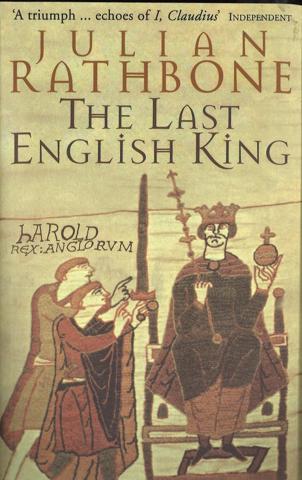
The Last English King
By: Julian Rathbone
Intro:
The Last English King by Julian Rathbone is a historical novel that delves into the tumultuous period of English history surrounding the Battle of Hastings in 1066. The story centers on the experiences of a fictionalized soldier named Walt and explores the events leading up to and following this pivotal battle. Rathbone paints a vivid picture of 11th-century England, capturing the tension, uncertainty, and dramatic changes that unfold as the kingdom faces invasion from the Norman forces led by William the Conqueror. The narrative is deeply immersive, drawing readers into the life of Walt as he journeys with King Harold Godwinson, the last Anglo-Saxon King of England. Rathbone expertly weaves together actual historical events with rich character development and thrilling plotlines, providing a gripping portrayal of the medieval world. Themes of loyalty, leadership, and the chaos of war are explored as Walt grapples with the shifting allegiances and power dynamics of the era. Through Walt's eyes, readers gain insight into the struggles and turbulent path that ultimately led to the fall of the last English king. Rathbone's meticulous research and attention to detail bring authenticity and depth to the story, immersing readers in the social and political landscape of the time. The author's evocative prose and dynamic storytelling offer a fresh perspective on a transformative moment in English history, making "The Last English King" both an engaging and educational read. This novel serves as a compelling exploration of the end of an era, capturing the essence of a significant historical event through the personal and emotional lens of its protagonist.
Overview
"The Last English King" by Julian Rathbone is a historical novel that delves into the turbulent period surrounding the Norman Conquest of England in 1066. The novel intertwines historical facts with the gripping personal story of Walt, the protagonist, and his recollection of events related to King Harold II, the last Anglo-Saxon king of England.
The novel is narrated through the eyes of Walt, a former soldier who had served King Harold. As the narrative progresses, Walt provides readers with a vivid account of the Battle of Hastings and the lead-up to this defining historical event. The story intricately blends themes of loyalty, betrayal, and the inevitable change that accompanies conquest and power shifts.
Characters and Plot
Walt serves as the primary narrator, offering his perspective on the events that transpired. His storytelling is rich with historical detail, bringing to life the characters he encountered, including King Harold himself, and Harold's brothers, Gyrth and Leofwine. Rathbone artfully portrays Harold as a complex leader, committed to his kingdom but flawed by his overreliance on familial loyalty in a time of political upheaval.
As the story unfolds, Walt recounts the political machinations and alliances that were forged and broken leading up to the epic battle that would seal England's fate. His journey is both physical and emotional, as he grapples with the transition from soldier to wanderer in a rapidly changing world, haunted by memories of both friendship and the brutality of war.
Themes and Historical Context
Rathbone's novel is steeped in historical authenticity, capturing the essence of 11th-century England amidst one of its most pivotal moments. Themes of loyalty, identity, and transformation are explored through the lens of both personal and national conflict. The author pays meticulous attention to the socio-political dynamics and cultural landscape that defined this era.
At its core, the book reflects on what it means to be an English king and the qualities that such a role demands. Through Harold's reign and downfall, successors, and the conflict with Duke William of Normandy, Rathbone explores the erosion of a distinct Anglo-Saxon identity and the forging of a new cultural amalgamation in the wake of conquest.
Conclusion
"The Last English King" combines rich historical narrative with engaging storytelling, offering a poignant exploration of the human side of historical events. By placing a personal story at the heart of a national tragedy, Rathbone invites readers to contemplate the impermanence of power and the enduring legacy of history's forgotten figures.
The novel serves as a significant exploration of a turning point in English history, making it appealing to those interested in historical fiction, medieval history, and compelling character-driven narratives.