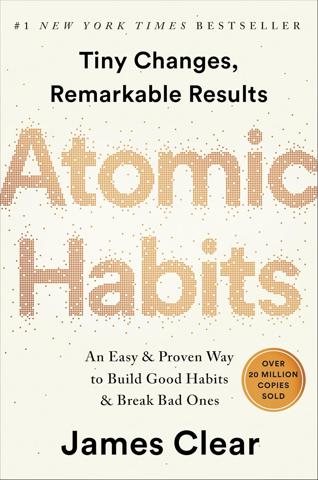
Critical Review of Atomic Habits
An Easy & Proven Way to Build Good Habits & Break Bad Ones
By: James Clear
Atomic Habits by James Clear has garnered widespread acclaim for its practical advice on habit formation, but like many popular self-help books, it has also faced criticism from a scientific perspective. One of the principal criticisms centers around the book's application of scientific research. While Clear effectively utilizes a range of psychological studies to support his strategies for habit change, some critics argue that his interpretations are overly simplistic or generalized. The science of habit formation is complex and nuanced, and while Clear successfully distills it into accessible concepts, there is a concern that he may oversimplify these studies, potentially leading readers to misunderstand the complexities involved.
Furthermore, another critique is that the anecdotes and narratives used by Clear, though engaging, can sometimes overemphasize individual agency while underplaying systemic factors that can significantly impact habit formation. The book largely focuses on personal responsibility and agency in changing habits, which could be seen as neglecting external variables that can affect behavior change, such as socioeconomic status, environmental constraints, and cultural influences. In turn, some readers may find the advice less applicable or effective when faced with these broader systemic challenges that influence their ability to form or break habits.
Additionally, some scholars argue that while "Atomic Habits" successfully identifies common behavioral cues and responses involved in habit formation, it lacks depth in addressing the neurological underpinnings and the broader biological mechanisms that contribute to habit formation and change. This absence of a detailed exploration into the cognitive and neurobiological foundations of habits could be seen as a missed opportunity to provide readers with a more comprehensive understanding of the science behind habit change.
Lastly, the book's focus on metrics for success and progress in changing habits has also been scrutinized. Critics argue that the effectiveness of habit change does not always translate neatly into quantitative measurements or visible milestones. This focus on measurability might lead some readers to undervalue qualitative growth and development that occur through the habit change process. While Clear advocates for an incremental, systems-based approach to habit formation, an overemphasis on measurable results could inadvertently create pressure that is counterproductive to the organic process of habit transformation.
In summary, while Atomic Habits is praised for its clear and actionable guidance, some scientific critiques highlight the need for a more nuanced consideration of the complex dynamics that influence habit change, calling for a broader understanding of the interplay between individual actions and systemic factors.
<< Back to the book summary