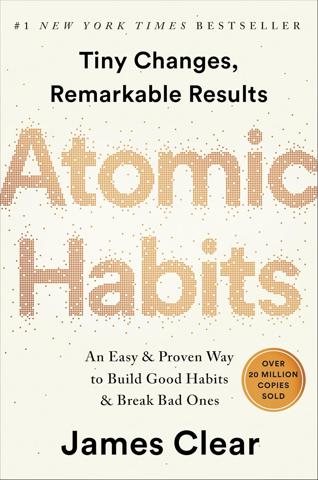
Atomic Habits
An Easy & Proven Way to Build Good Habits & Break Bad Ones
By: James Clear
Intro:
"Atomic Habits: An Easy & Proven Way to Build Good Habits & Break Bad Ones" by James Clear is a transformative guide that delves into the science of habit formation and how small changes can lead to significant personal improvement. Clear offers practical strategies to replace negative behaviors with positive ones, emphasizing the power of tiny 'atomic' changes that compound over time. The book provides a comprehensive framework for understanding how habits are formed and maintained, making it an indispensable resource for anyone seeking to, as Clear puts it, 'make time your ally' and achieve long-lasting success across all areas of life. Through engaging anecdotes and actionable advice, "Atomic Habits" empowers readers to harness the power of incremental growth to transform their lives.
Atomic Habits: An Easy & Proven Way to Build Good Habits & Break Bad Ones by James Clear is a popular self-help book that explores the power of small habits and how they compound to bring significant changes over time. Below is an extensive summary chapter by chapter:
Introduction
James Clear begins by discussing how small changes can lead to significant results over time. He introduces the concept of "atomic habits," which are tiny, incremental changes that compound to improve life and work. Clear sets the stage for exploring how habits work and how they can be effectively formed and broken.
Chapter 1: The Surprising Power of Atomic Habits
Clear explains the science of habits and introduces the idea of compounding, emphasizing that tiny, consistent improvements lead to dramatic outcomes. He also introduces the notion of the 1% rule—incremental progress that can lead to substantial changes.
Chapter 2: How Your Habits Shape Your Identity (and Vice Versa)
This chapter discusses the link between habits and identity. Clear explains that true behavior change begins with identity change. He explores how adopting a new identity and setting up systems to reinforce that identity is crucial for sustaining habits.
Chapter 3: How to Build Better Habits in 4 Simple Steps
Clear introduces the four-step pattern of cue, craving, response, and reward, which he refers to as the "habit loop." He breaks down each component and explains their roles in habit formation.
Chapter 4: The Man Who Didn’t Look Right
This chapter delves into how cues trigger habits. Clear uses real-world stories to illustrate how noticing small habits can lead to significant changes. He emphasizes the importance of awareness in recognizing habits and how they are triggered.
Chapter 5: The Best Way to Start a New Habit
Clear introduces the concept of "implementation intentions" and "habit stacking." Implementation intentions involve scheduling specific behaviors, while habit stacking involves linking new habits to existing ones to make them more automatic.
Chapter 6: Motivation is Overrated; Environment Often Matters More
This chapter emphasizes the importance of environment in shaping behavior. Clear argues that designing your environment to support desired habits is more effective than relying solely on motivation or willpower.
Chapter 7: The Secret to Self-Control
Clear discusses the myth of willpower and self-control. He suggests that managing your environment and understanding triggers is more effective in maintaining habits than relying on brute willpower.
Chapter 8: How to Make a Habit Irresistible
Clear explores the concept of making habits attractive by linking them to positive emotions and desires. He discusses motivational hacks and the importance of pairing habits with rewards to make them more enticing.
Chapter 9: The Role of Family and Friends in Shaping Your Habits
This chapter focuses on social norms and peer influence on habits. Clear explains how surrounding oneself with supportive and like-minded people can reinforce desired habits and changes.
Chapter 10: How to Find and Fix the Causes of Your Bad Habits
Clear delves into the psychology of bad habits, explaining how understanding and addressing the root causes of unwanted behavior are crucial to breaking them. He encourages reflection to identify and alter the cues triggering bad habits.
Chapter 11: Walk Slowly, But Never Backward
This chapter discusses the importance of consistency and persistence in progress. Clear promotes focusing on systems rather than goals and reiterates that the path to habit mastery is a long-term process of small steps.
Chapter 12: The Law of Least Effort
Clear talks about making habits easy to increase the likelihood of execution. He encourages reducing friction by streamlining the initiation of habits and making them as simple as possible. ### Chapter 13: How to Stop Procrastinating by Using the Two-Minute Rule Clear introduces the "Two-Minute Rule," which suggests that starting tasks that take less than two minutes can be a catalyst for larger changes. This concept helps in overcoming inertia and building momentum.
Chapter 14: How to Make Good Habits Inevitable and Bad Habits Impossible
This chapter focuses on creating "commitment devices" that automate decision-making, ensuring good habits are easily followed and bad habits are difficult to execute.
Chapter 15: The Cardinal Rule of Behavior Change
Clear asserts that rewarding progress and celebrating wins is crucial for maintaining habit change. He explains the role of rewards in completing the habit loop and reinforcing positive behaviors.
Chapter 16: How to Keep Your Habits on Track
Clear introduces techniques for monitoring and tracking habits, discussing the importance of accountability. He suggests using habit trackers and revising methods periodically to stay on track.
Chapter 17: How an Accountability Partner Can Change Everything
Clear emphasizes the power of social accountability. Having a partner or community to support and challenge you can significantly boost discipline and commitment toward habit change.
Chapter 18: The Truth About Talent (When Genes Matter and When They Don’t)
This chapter examines the role of genetics and individual predispositions in shaping habits. Clear suggests choosing habits that align with natural abilities and interests enhances long-term success.
Chapter 19: The Goldilocks Rule: How to Stay Motivated in Life and Work
Clear introduces the Goldilocks Rule, which states that humans experience peak motivation when working on tasks of just manageable difficulty. Finding this balance helps sustain interest and drive.
Chapter 20: The Downside of Creating Good Habits
The last chapter discusses the potential downsides of rigid habits, such as reduced flexibility and innovation. Clear advises periodically reassessing and adapting habits to ensure continual growth and development.
The Secret to Results That Last Clear wraps up with a focus on reflection and continuous improvement. He stresses that real success comes through habitual refinement and learning from experiences.
Appendix
The book concludes with a practical guide on where to go from here, offering additional resources and tips for readers to start working on their habits immediately.
Overall, Atomic Habits is a comprehensive, actionable guide that uses science-backed strategies to help readers improve their habits and achieve lasting change.