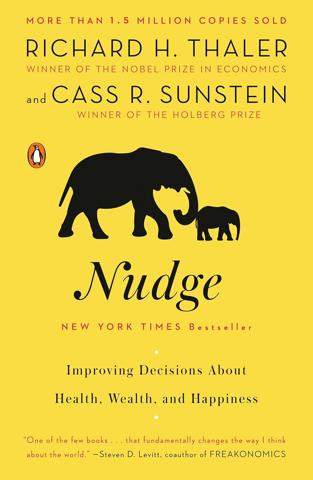
Critical Review of Nudge
Improving Decisions About Health, Wealth, and Happiness
By: Richard H. Thaler, Cass R. Sunstein
Nudge: Improving Decisions About Health, Wealth, and Happiness by Richard H. Thaler and Cass R. Sunstein has sparked substantial discussion and criticism since its publication. The book introduces the concept of libertarian paternalism and argues for the design of choice architectures that nudge individuals towards better decisions without restricting their freedom. While the book has been influential, it has not been without its critics, spanning arguments from ethical concerns to practical limitations of its concepts.
One significant criticism lies in the ethical implications of nudging itself. Critics argue that even though nudges are intended to benefit individuals, the approach can be paternalistic and manipulative. Some scholars highlight that nudges can undermine autonomy by steering people in particular directions, effectively substituting the judgment of choice architects for that of individuals. This raises concerns about who decides what counts as a "better" choice and whether it is right to influence decisions in a way that might not align with an individual's own values or preferences.
Another area of critique is the effectiveness and scope of nudges in addressing complex social issues. While nudges can be effective in simple contexts, such as encouraging people to save more for retirement or choose healthier foods, they might fall short in resolving deeper, structural problems like poverty or inadequate health care. Critics argue that nudges are often more of a "band-aid" solution, addressing symptoms rather than the root causes of societal issues. In this view, structural changes or regulatory measures might be necessary to bring about significant improvement in areas like public health or economic inequality.
Additionally, the assumption that people make suboptimal decisions due to cognitive biases—and thus need nudging—has been challenged. Some researchers argue that this perspective puts too much emphasis on individual decision-making flaws without considering the broader context that influences behavior. Factors such as social norms, cultural influences, and systemic economic inequities play a substantial role in decision-making, and a focus solely on cognitive biases might oversimplify the situation. This criticism suggests that nudging, while useful in some contexts, should be part of a more comprehensive strategy that takes into account various external factors affecting behavior.
Finally, there is skepticism about the evidence supporting the effectiveness of many nudges. While some nudges have shown promising results, there is ongoing debate about the replicability and generalizability of these outcomes across different settings and populations. Critics argue for more rigorous studies and caution against overreliance on nudges, especially when used as substitutes for policies that require significant investment or political will. Overall, while Nudge has had a major impact on public policy and behavioral economics, these criticisms suggest careful consideration and a balanced approach when applying its principles.
<< Back to the book summary