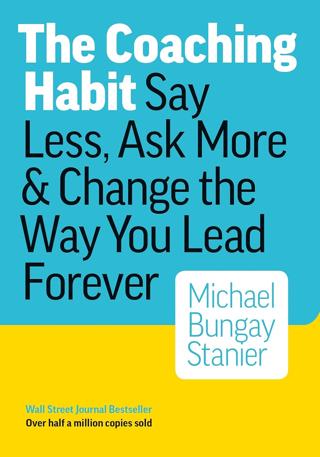
The Coaching Habit
Say Less, Ask More & Change the Way You Lead Forever
By: Michael Bungay Stanier
Intro:
The Coaching Habit by Michael Bungay Stanier is a practical guide that helps leaders and managers develop a coaching mindset by focusing on seven powerful questions. These questions—such as “What’s on your mind?” and “What do you want?”—encourage self-reflection, promote deeper conversations, and empower individuals to find their own solutions. By adopting these simple yet effective techniques, readers can improve their coaching skills, foster greater autonomy in their teams, and create a culture of continuous growth and learning. The book emphasizes that coaching doesn’t need to be complex but rather a habit that drives meaningful change in everyday interactions.
"The Coaching Habit" by Michael Bungay Stanier is a practical guide to becoming a better coach by focusing on simple, effective techniques that drive meaningful conversations.
The book is structured around seven essential coaching questions designed to promote self-reflection, development, and action. Here’s an extensive chapter-by-chapter summary:
Chapter 1: The Coaching Habit
This chapter introduces the central premise of the book: that coaching is a habit that can be developed with practice. It emphasizes the importance of adopting coaching as a mindset rather than a series of complex techniques. The author explains that coaching helps unlock people's potential by shifting the focus away from giving advice and toward asking powerful, thought-provoking questions. The chapter also highlights how leaders and managers can create better outcomes by asking questions that prompt deeper thinking and action.
Chapter 2: The Questionable Habit
This chapter outlines the importance of asking questions rather than jumping straight into giving advice. Many leaders and managers have a tendency to fix problems or offer solutions too quickly, which stifles creativity and growth in their team members. Bungay Stanier explains the significance of asking open-ended questions that invite exploration and reflection. This habit, once ingrained, allows people to develop their own solutions and feel more empowered.
Chapter 3: The First Question: “What’s on your mind?”
The first coaching question is "What’s on your mind?" This simple yet powerful question encourages the person being coached to reflect on their current thoughts and concerns. By asking this question, the coach allows the individual to focus on what is most relevant or pressing, which fosters a sense of ownership over the conversation. The chapter discusses how this question sets the stage for deeper conversations and helps to uncover issues that may otherwise go unaddressed.
Chapter 4: The Second Question: “And what else?”
This question, “And what else?” is designed to dig deeper. Often, people will provide an initial answer that feels complete, but this follow-up question prompts them to consider other factors, ideas, or feelings they might have overlooked. The chapter explores how this question encourages more thorough exploration, leading to new insights and perspectives that might not have been evident in the first response.
Chapter 5: The Third Question: “What’s the real challenge here for you?”
Here, the third question is revealed: “What’s the real challenge here for you?” This question helps the individual focus on the core issue rather than surface-level problems. The chapter explains how it guides the person to identify the root cause of their challenges, helping them to shift from problem-focused thinking to solution-focused thinking. It fosters self-awareness and clarity, allowing the person being coached to make more informed decisions.
Chapter 6: The Fourth Question: “What do you want?”
The fourth question, “What do you want?” is crucial for clarifying goals and desired outcomes. The chapter emphasizes that, all too often, people don’t articulate what they truly want from a situation. By asking this question, the coach helps the person being coached define their objectives and align their actions with their goals. This question sharpens focus and encourages proactive decision-making.
Chapter 7: The Fifth Question: “How can I help?”
The fifth question, “How can I help?” shifts the coach’s role from problem-solver to supporter. This question invites the person being coached to take the lead in determining what kind of support they need. It allows for greater autonomy and empowers the individual to express their needs clearly. The chapter highlights the importance of asking this question to avoid imposing unnecessary solutions and to keep the coaching relationship focused on empowerment rather than dependency.
Chapter 8: The Sixth Question: “If you’re saying yes to this, what are you saying no to?”
The sixth question, “If you’re saying yes to this, what are you saying no to?” encourages the individual to consider the trade-offs involved in their choices. Every decision involves sacrifices, and this question helps the person being coached become more aware of the consequences of their actions. It fosters prioritization and helps individuals make more deliberate choices that align with their values and goals.
Chapter 9: The Seventh Question: “What was most useful for you?”
The final question, “What was most useful for you?” prompts reflection on the conversation itself. It allows the person being coached to identify the key insights or takeaways from the discussion. This question not only helps to reinforce the learning that has taken place but also encourages accountability. By reflecting on what was most useful, the individual is more likely to retain and apply the insights gained during the coaching session.
Chapter 10: Building the Coaching Habit
The final chapter of the book ties together the seven questions and emphasizes the importance of developing a coaching habit. Bungay Stanier offers practical tips on how to integrate these questions into daily conversations, making coaching a natural part of leadership and management practices. He also encourages readers to start small, focusing on mastering one or two questions at a time. By adopting a coaching habit, leaders can significantly improve their relationships with their team members and drive greater engagement and performance.
Conclusion
Throughout the book, Michael Bungay Stanier advocates for a simple, practical approach to coaching. By using the seven questions, leaders can encourage self-reflection, empower others, and create a culture of continuous learning and improvement. The coaching habit is not about becoming a professional coach but about developing a mindset that fosters growth and collaboration. The key takeaway is that coaching, when done effectively, can transform leadership and elevate individual performance, leading to more successful teams and organizations.