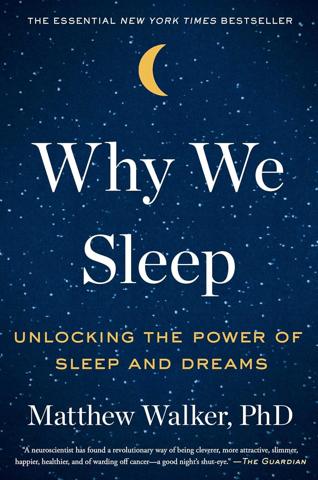
Why We Sleep
Unlocking the Power of Sleep and Dreams
By: Matthew Walker
Intro:
"Why We Sleep: Unlocking the Power of Sleep and Dreams" by Matthew Walker is a fascinating exploration into the vital role sleep plays in our lives. Walker, a renowned neuroscientist and sleep expert, delves into the latest scientific research to uncover how sleep affects everything from our brain function and physical health to our ability to learn and interact with others. The book emphasizes the importance of understanding sleep's profound impact on our well-being and performance, offering practical advice on how to improve sleep quality in today's fast-paced world. Through engaging narratives and compelling insights, Walker makes a persuasive case for prioritizing sleep as a cornerstone of a healthy and fulfilling life.
Introduction
In "Why We Sleep," neuroscientist and sleep expert Matthew Walker provides a comprehensive exploration of the vital role sleep plays in our lives. Covering everything from the biological mechanisms that regulate sleep to the far-reaching consequences of sleep deprivation, Walker presents compelling research and insights into why sleep is essential for physical and mental well-being.
Chapter 1: To Sleep...
This chapter introduces the reader to the complex nature of sleep, detailing how it is both universal and essential. Walker explains the historical context of sleep research and how societal attitudes towards sleep have evolved. He sets the stage for understanding sleep as a fundamental pillar of health.
Chapter 2: Caffeine, Jet Lag, and Melatonin
Walker discusses the impact of various external factors, such as caffeine consumption, jet lag, and artificial lighting, on our sleep patterns. He explains how these factors can disrupt the natural circadian rhythm and reduce sleep quality.
Chapter 3: Defining and Generating Sleep
This chapter delves into the sleep architecture, differentiating between REM (Rapid Eye Movement) and NREM (Non-REM) sleep. Walker describes how each stage of sleep serves unique functions for the brain and body.
Chapter 4: Ape Beds, Dinosaurs, and Napping with Half a Brain
Here, Walker explores the evolutionary perspective of sleep, comparing human sleep to that of other species. He highlights fascinating adaptations, such as unihemispheric sleep in certain animals, where half of the brain remains awake while the other half sleeps.
Chapter 5: Changes in Sleep Across the Life Span
Walker illustrates how sleep patterns shift from infancy to old age, demonstrating the fluid nature of sleep needs and durations. He addresses the importance of understanding these shifts in terms of promoting healthy sleep at every stage of life.
Chapter 6: Your Mother and Shakespeare Knew
This chapter focuses on the healing aspects of sleep. Walker discusses how sleep aids in physical recovery, emotional regulation, and memory consolidation, echoing insights from historical figures like Shakespeare who recognized sleep's restorative powers.
Chapter 7: Too Extreme for the Guinness Book of World Records
Walker outlines the severe consequences of sleep deprivation, including its impact on cognitive function, physical health, and emotional stability. He warns against the long-term neglect of adequate sleep and its serious implications for individual and societal well-being.
Chapter 8: Cancer, Heart Attacks, and a Shorter Life
The link between chronic sleep deprivation and a host of serious health conditions is explored in this chapter. Walker presents research linking insufficient sleep with increased risks of cancer, cardiovascular disease, and reduced life expectancy.
Chapter 9: Sleep and Society
Walker examines the broader societal effects of widespread sleep deprivation, including economic costs, workplace productivity, and public safety. He calls for a societal reevaluation of sleep’s role and value.
Chapter 10: Dreaming
This chapter looks at dreaming, particularly during REM sleep, and its significance for creativity, problem-solving, and emotional wisdom. Walker dispels common myths about dreams and highlights their intricate role in our mental life.
Chapter 11: Dream Creativity and Dream Control
Walker explores the concept of lucid dreaming and how individuals can potentially harness dreams for creative and cognitive benefits. He discusses techniques for fostering lucidity in dreams.
Chapter 12: Things That Go Bump in the Night
This chapter addresses sleep disorders such as insomnia, sleep apnea, and parasomnias. Walker stresses the importance of diagnosing and treating these conditions to maintain overall health.
Chapter 13: iPads, Factory Whistles, and Nightcaps
Walker warns of modern technological and lifestyle challenges that negatively affect sleep quality, from electronic screens to irregular work shifts. He offers practical advice for mitigating these effects and improving sleep hygiene.
Chapter 14: Hurting and Helping Your Sleep
This chapter provides actionable strategies for improving sleep, including behavioral tips, environmental adjustments, and potential interventions through healthcare.
Conclusion
Walker concludes by emphasizing the importance of prioritizing sleep in personal and societal contexts. He calls for increased public awareness and policy measures to promote healthier sleep habits worldwide.
Overall Summary
Matthew Walker's "Why We Sleep" serves as both a wake-up call and a comprehensive guide to understanding the profound impact of sleep on our physiological and psychological functions. The book is a compelling amalgamation of cutting-edge research intertwined with practical advice, urging readers to reevaluate the role of sleep in their personal health and societal structures.