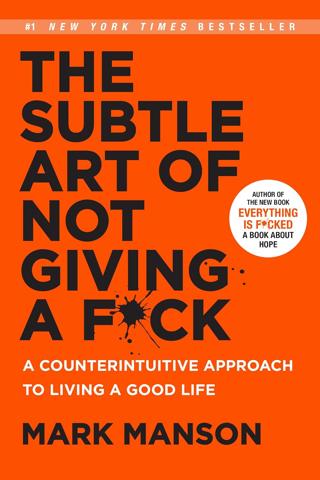
O revizie critică a cărții The Subtle Art of Not Giving a F*ck
A Counterintuitive Approach to Living a Good Life
De: Mark Manson
"The Subtle Art of Not Giving a F*ck" by Mark Manson has received mixed reviews from critics and readers alike, particularly in terms of its scientific basis and the implementation of its advice. While the book is appreciated for its straightforward and irreverent style, some critics question the depth and scientific underpinnings of its message.
One significant critique revolves around the lack of empirical evidence supporting Manson's claims. While the book is filled with anecdotes and personal insights, critics argue that it lacks references to psychological or sociological studies. Manson’s approach to self-help diverges from traditional methods by suggesting that people should focus on caring about fewer things, yet this perspective isn't backed by rigorous scientific research. Critics suggest that without empirical evidence, it's challenging to assess the effectiveness or applicability of Manson's recommendations across diverse populations.
In addition to the lack of empirical evidence, some critics claim that the book oversimplifies complex emotional and psychological issues. While Manson’s advice to focus only on what truly matters is appealing, it doesn’t fully address the nuances of mental health challenges faced by many. Issues like anxiety, depression, and trauma are complex and require more than a shift in mindset or perspective. This oversimplification might lead readers to overlook the necessity of professional mental health support and the value of a more nuanced understanding of psychological well-being.
Furthermore, critics highlight the potential for misinterpretation of the book's message. By promoting the idea of “not giving a f*ck,” there's a risk that readers might apply this advice inappropriately, possibly neglecting important responsibilities or relationships. Manson emphasizes prioritizing values and deciding what truly deserves our care, yet without careful consideration, readers might adopt an indifference that could negatively impact their personal or professional lives.
Lastly, there is criticism regarding the book's tone and language. While Manson uses a conversational and often humorous style to engage readers, the extensive use of profanity and casual language might not resonate with everyone and could diminish the perceived seriousness of the advice. This stylistic choice makes the book more accessible to some, but might alienate readers who prefer a more traditional, research-backed approach to self-help literature. Despite these criticisms, "The Subtle Art of Not Giving a F*ck" remains popular, sparking discussions about the balance between taking life seriously and allowing oneself to let go of unnecessary burdens.
<< Înapoi la rezumatul cărții