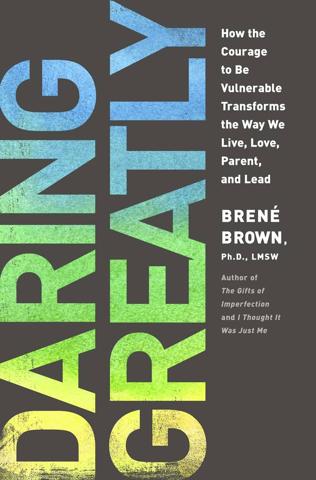
Daring Greatly
How the Courage to Be Vulnerable Transforms the Way We Live, Love, Parent, and Lead
De: Brené Brown
Introducere:
Daring Greatly by Brené Brown explores the power of vulnerability and its transformative effect on our lives. Drawing on years of research, Brown demonstrates how embracing vulnerability can lead to deeper connections, improved creativity, and stronger leadership. She challenges the belief that vulnerability is a weakness, instead framing it as a source of strength that fosters courage, compassion, and innovation. Whether in relationships, parenting, or the workplace, Daring Greatly offers a compelling argument for why showing up with authenticity and openness is essential for personal growth and collective well-being.
Introduction
In "Daring Greatly," Brené Brown explores the concept of vulnerability and its role in leading a fulfilling life. Drawing on her extensive research, Brown argues that vulnerability is not a weakness, but rather a courageous act that can lead to greater engagement, creativity, and innovation.
Chapter 1: The Introduction: My Adventures in the Arena
Brown begins by explaining the inspiration behind the book, which is rooted in Theodore Roosevelt's famous "Man in the Arena" speech. She shares her personal journey of understanding vulnerability and how it relates to her work on shame and resilience.
Chapter 2: Debunking the Vulnerability Myths
This chapter addresses common myths about vulnerability. Brown debunks ideas such as "vulnerability is weakness" and "I can go it alone," emphasizing that vulnerability is essential for building meaningful connections and achieving greatness.
Chapter 3: Understanding and Combating Shame
Brown delves into the nature of shame and how it differs from guilt. She provides insights into recognizing shame and developing resilience against it by embracing vulnerability and practicing self-compassion.
Chapter 4: The Vulnerability Armory
This chapter discusses the strategies people use to protect themselves from vulnerability, such as foreboding joy, perfectionism, and numbing. Brown encourages readers to let go of these defenses to lead more authentic lives.
Chapter 5: Mind the Gap: Cultivating Change and Closing the Disengagement Divide
Brown explores the gaps between aspirational values and actual behaviors in various aspects of life, including education, work, and parenting. She emphasizes the importance of aligning values with actions to foster genuine engagement and connection.
Chapter 6: Disruptive Engagement: Daring to Rehumanize Education and Work
Focusing on institutions, Brown discusses how a culture of vulnerability can transform education and the workplace. She highlights the potential for leaders and educators to create environments that encourage creativity, innovation, and collaboration.
Chapter 7: Wholehearted Parenting: Daring to Be the Adults We Want Our Children to Be
Brown offers insights into how vulnerability can shape parenting practices. She calls for parents to model the courage to be imperfect and to foster environments where children can develop resilience and a strong sense of worthiness.
Conclusion: Final Thoughts
In her conclusion, Brown reflects on the themes of the book. She reiterates the power of vulnerability as a source of strength and encourages readers to embrace their imperfections as a path to living a more connected and meaningful life.
Appendix
The appendix contains guides and exercises for readers to apply the concepts of vulnerability and wholehearted living to their personal and professional lives. These resources are designed to facilitate the journey toward embracing vulnerability.