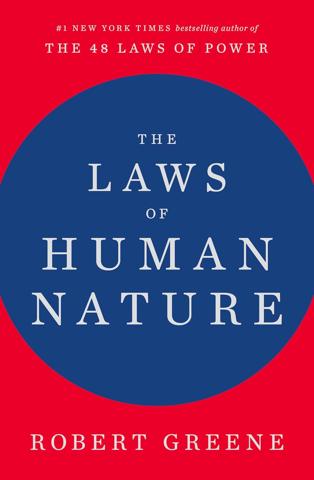
Critical Review of The Laws of Human Nature
By: Robert Greene
The Laws of Human Nature by Robert Greene is a comprehensive examination of human behavior through historical anecdotes, psychological theories, and philosophical insights. However, like any significant work that delves deeply into the human psyche, it has its share of criticisms, some of which stem from the scientific community.
One major criticism directed at Greene’s work is its reliance on anecdotal evidence and historical narratives to support its claims about human nature. Critics argue that while the anecdotes can be illustrative and thought-provoking, they may not provide the rigorous empirical evidence needed to definitively back up the theories presented. This approach can sometimes lead to a cherry-picking of historical events that fit the narrative Greene wants to construct, which is a concern for those who value scientific methods that prioritize experimental and observational data.
Furthermore, some psychologists have pointed out that Greene's interpretations of psychological theories and human behavior can be overly deterministic and reductionist. For example, Greene often emphasizes dark and manipulative aspects of human nature, sometimes at the expense of a more balanced view that includes positive human traits such as empathy and altruism. This might lead readers to a somewhat cynical view of human interactions, which may not align with more comprehensive scientific literature that highlights the complexity and multifaceted nature of human beings.
Another area of critique revolves around the application of psychological insights from established theories. Critics claim that Greene occasionally oversimplifies or misinterprets psychological concepts to fit the themes of each chapter. This could potentially mislead readers who are not familiar with the original psychological research. The recontextualization of these theories, without adequate scientific grounding, may undermine their validity and lead readers to draw conclusions that might oversimplify the vastly intricate nature of human psychology.
Lastly, the prescriptive nature of Greene’s advice, suggesting ways to navigate complex social landscapes using the insights he discusses, can be contentious. Some readers and experts may find his guidance to be manipulative, arguing that his strategies, while shrewd, could encourage ethically questionable behavior. This has led to debates about the moral implications of employing such tactics in everyday life and whether the ends justify the means when it comes to influencing others to one's advantage. Overall, while Greene's work offers an engaging exploration of human nature, these criticisms underscore the importance of approaching its claims with a critical eye and an awareness of the rich, nuanced fabric of psychological research.
<< Back to the book summary