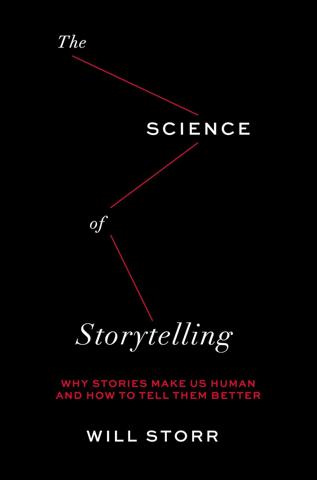
The Science of Storytelling
Why Stories Make Us Human and How to Tell Them Better
By: Will Storr
Intro:
The Science of Storytelling: Why Stories Make Us Human and How to Tell Them Better by Will Storr delves into the profound relationship between storytelling and human nature. Storr, an accomplished journalist, and author, explores the psychological and neurological underpinnings of why stories resonate so deeply with us. The book combines insights from brain science, psychology, and literary analysis to unravel the mechanisms that make stories profoundly impactful. By dissecting the elements that constitute a compelling narrative, Storr offers valuable advice to storytellers of all kinds—writers, filmmakers, and speakers—on how to craft narratives that captivate and influence audiences. Throughout the book, Storr emphasizes that storytelling is at the core of human experience. He examines how the brain is wired to respond to stories, illuminating the psychological effects that well-told tales have on us. Offering a blend of theoretical insights and practical guidance, Storr discusses key narrative elements such as character creation, plot development, and the significance of evoking emotion. He stresses the importance of understanding character psychology to create authentic and relatable characters, which, in turn, forge a deeper connection with the audience. Storr's analysis provides readers with both an understanding of the science behind storytelling and actionable techniques to enhance their storytelling abilities. By the book's end, readers come away with a greater appreciation for stories' role in shaping human culture and personal identity. The Science of Storytelling is a thought-provoking and informative read not only for storytellers seeking to hone their craft but for anyone interested in the narratives that define our lives and societies.
Overview of the Book
Will Storr's The Science of Storytelling is a fascinating exploration of the psychological and neurological foundations of storytelling. The book examines why stories are such an intrinsic part of human culture and cognition, analyzing how they work and how we can become better storytellers. Drawing on insights from psychology, human biology, and narrative theory, Storr provides readers with a comprehensive guide to understanding the power of stories and their impact on our lives.
The book is structured around the core idea that storytelling is a fundamental component of human nature. Storr argues that our brains are wired to process information through stories, and as such, stories have a unique power to influence and shape our perceptions of the world. He provides a detailed look at the elements of effective storytelling, including character development, plot structure, and emotional resonance, using examples from literature, film, and real-life narratives to illustrate his points.
Chapter 1: The Science of a Story
In the opening chapter, Storr introduces the concept of storytelling as an evolutionary adaptation that has contributed to human survival. He explains how storytelling activates specific areas of the brain and engages our emotions, making it a powerful tool for communication and persuasion. Storr also discusses the ways in which stories are linked to our sense of identity and how they help us make sense of the world around us.
The chapter delves into the neurological basis of storytelling, demonstrating how our brains are naturally drawn to narratives that have a clear structure and relatable characters. Storr emphasizes the importance of understanding these cognitive processes in order to craft stories that resonate with audiences on a deeper level. By blending scientific research with practical advice, he sets the stage for a deeper exploration of storytelling techniques in subsequent chapters.
Chapter 2: The Four-Element Story
Storr breaks down the anatomy of a compelling story into four key elements: the character, the plot, the flaw, and the world. He argues that a strong narrative requires a complex protagonist with a psychological flaw that drives the story forward. This flaw creates tension and conflict, which are essential for maintaining audience interest and engagement.
The author further explores how effective storytelling involves placing characters in a world that is richly detailed and believable. Storr provides insights into how world-building and setting contribute to the authenticity and emotional impact of a story. By integrating these elements, storytellers can craft narratives that capture the imagination and leave a lasting impression.
Chapter 3: The Character
This chapter delves into the importance of creating well-rounded and psychologically complex characters. Storr discusses the role of empathy in storytelling, explaining how an audience’s ability to identify with a character’s struggles and triumphs enhances the emotional impact of a story. He provides practical guidance on developing characters that are relatable, dynamic, and capable of growth.
Storr emphasizes the concept of the “flaw” in character development, suggesting that protagonists need a central flaw or internal conflict that they must confront and overcome. This flaw serves as the driving force of the narrative, providing a source of tension and growth. The chapter offers insights into crafting characters that feel authentic and alive, drawing readers into their personal journeys.
Chapter 4: The Plot
Storr examines the structure of a well-crafted plot, highlighting the key elements that contribute to narrative momentum and suspense. He discusses the importance of conflict, pacing, and resolution, offering advice on how to create a plot that captivates and maintains the audience’s attention.
The chapter also covers the concept of "story arcs," illustrating how they provide a sense of progression and development. Storr offers practical techniques for plotting a narrative, focusing on creating a balance between predictable patterns and surprising twists. By understanding the essentials of plot development, storytellers can create narratives that are both engaging and meaningful.
Chapter 5: The World
In this chapter, Storr explores the significance of setting and world-building in storytelling. He describes how a well-designed world provides context and depth to a narrative, shaping the characters’ actions and experiences. Storr emphasizes the need for coherence and consistency, suggesting that even fantastical worlds must adhere to their own internal logic to be believable.
The author provides examples of successful world-building across different genres, demonstrating how a compelling setting can enhance the emotional and thematic weight of a story. He encourages storytellers to pay attention to the small details that bring a world to life, creating an immersive experience for the audience.
Chapter 6: The Flaw
Storr returns to the concept of the character flaw, elaborating on its role as the engine of narrative conflict and change. He argues that a well-crafted flaw provides depth to a character and drives the story forward, offering opportunities for growth and transformation.
The chapter delves into the psychological dimensions of character flaws, exploring how they resonate with audiences on a personal level. Storr provides practical strategies for identifying and developing flaws that feel authentic and integral to the character’s journey. By focusing on this crucial element, storytellers can create narratives that are both compelling and psychologically rich.
Conclusion
Will Storr’s The Science of Storytelling provides an in-depth look at the mechanics of narrative and the psychological principles that underpin storytelling. By combining scientific insights with practical advice, Storr offers a comprehensive guide to crafting stories that captivate and resonate. The book’s exploration of characters, plot, flaws, and world-building provides valuable tools for writers seeking to enhance their storytelling skills and create narratives that have a lasting impact.